money habits

A family reviewing a budgeting app on a tablet, choosing a family budgeting app that fits their routine and money habits
Budgeting

Choosing a Family Budgeting App: Fit Beats Features

You download an app, connect your bank accounts, feel a rush of control for about ten days — and then life happens. A kid gets sick, a trip gets booked, a bill autopays from an account you forgot to link, and the app sits untouched on your phone until you delete it in frustration. If that sounds familiar, you’re not bad at budgeting. You just picked a tool that didn’t match how your household actually operates. The real question isn’t “which app is the best?” It’s “which app will still be open on my phone in six months?”
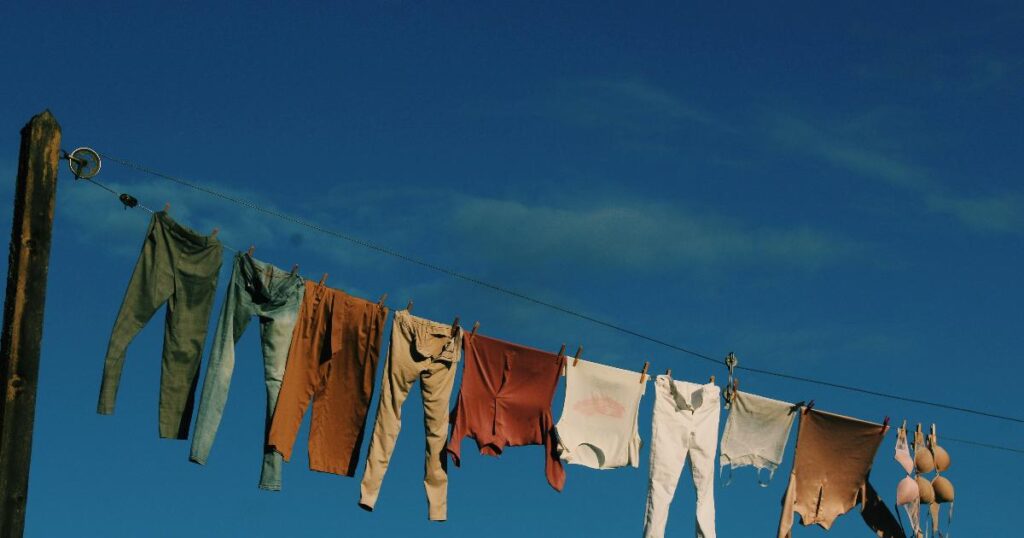
A clothesline with freshly washed shirts drying outdoors, illustrating a clothesline habit that can lower utility bills.
Money Habits

The Clothesline Habit: A Small Money Move Hiding in Plain Sight

A clothesline sounds like something from your grandmother’s backyard, not a modern money strategy. But strip away the nostalgia and you’re left with a simple mechanical fact: every load of laundry you don’t run through a heated dryer is a load that didn’t burn electricity or gas. That’s not a lifestyle statement — it’s arithmetic. And arithmetic, applied consistently, is what turns a small habit into a noticeable dent in a household bill.

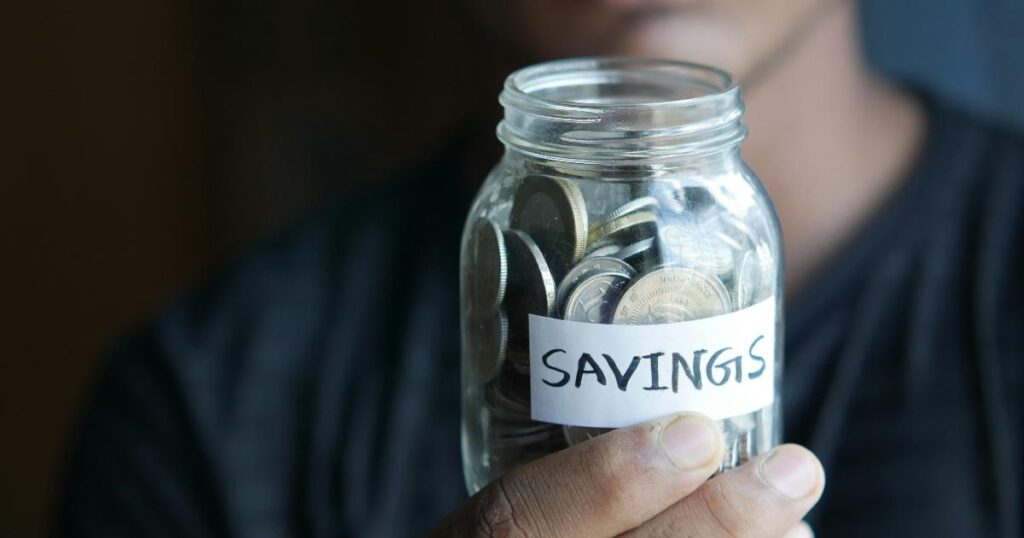
A jar filled with one-dollar bills beside a notebook tracking a $1 savings challenge
Savings

The $1 Savings Challenge: A Small Habit That Doesn’t Ask For Much

If saving money has always felt like a wall you can’t climb — too little income, too many surprise expenses, too much guilt every time you check your balance — a $1 savings challenge might be the first rung that actually holds your weight. The idea is almost absurdly simple: pick a small, repeatable moment in your day, and every time it happens, you set aside one dollar. No dramatic budget overhaul. No 20% savings rate you can’t sustain. Just a dollar, again and again, until it becomes a habit instead of a chore.

A broken kitchen appliance beside a simple repair or replace checklist for smart money decisions
Money Habits

Repair or Replace? A Calm Money Checklist for Your Next Broken Appliance

The washing machine stops mid-cycle, or the fridge starts humming a little too loudly, and suddenly you’re standing in your kitchen doing mental math with numbers you don’t actually have. Do you call a repair technician, or do you just order a new one and get it over with? For a lot of households, the second option feels easier — but easier isn’t always cheaper, and cheaper isn’t always obvious at first glance. The good news is that this decision doesn’t have to be made in a panic. It can become a simple habit, the same way checking prices or comparing bills already is.

A simple household budget notebook beside a savings jar, showing quiet money habits that support a focus keyword phrase for long-term financial progress
Money Habits

The Quiet Money Habits That Help Ordinary Households Get Ahead

Most people assume financial progress starts with a bigger paycheck. That helps, of course — but it rarely tells the whole story. The more practical difference usually shows up in what happens after the money arrives: whether it gets tracked, saved automatically, spent slowly, and given time to grow. Income is the engine. Habits are the steering wheel.

Scroll to Top