The Moment When Cash Becomes Your First Line of Defense
While you are still earning a paycheck, an emergency fund serves a simple purpose: it keeps unexpected expenses from turning into debt. But once paychecks stop, the stakes change significantly. Your cash reserve takes on a second, equally important job — protecting your investments from being sold when markets are down.
This is what financial planners call sequence-of-returns risk: the danger that a market decline early in retirement can permanently damage a portfolio, not just temporarily. When you are forced to sell investments to cover expenses during a downturn, you lock in losses and leave yourself with fewer assets to recover. A cash buffer breaks that cycle. Instead of selling stocks in a bad year, you spend from your reserve and let the market recover on its own timeline.
As one source puts it plainly: "If you have a lot of your retirement investments in securities, that’s where you would probably want a little bit more of a cash buffer so that you don’t have to pull from those accounts in the event of a market downturn. You can let it recover."
What a Retirement Emergency Fund Is — and Is Not
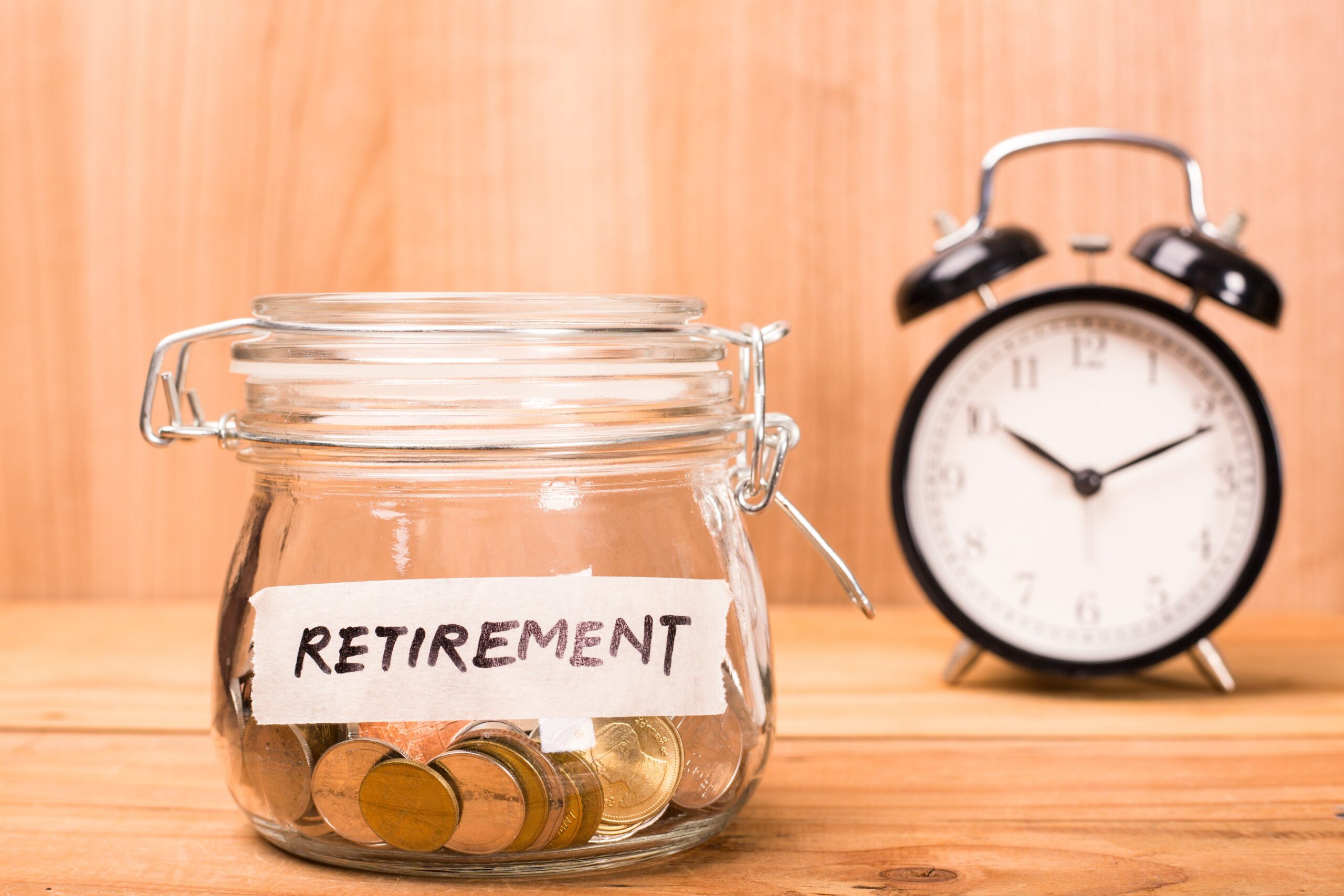
An emergency fund is money kept in a safe, easy-to-access place — not tied up in investment accounts or retirement plans. Its job is stability, not growth. This makes it different from your long-term savings, which are meant to grow over decades.
It is also different from planned retirement spending. Money you expect to spend on travel, home improvements, or a new car is not an emergency fund — those are known costs you can budget for separately. The emergency fund exists specifically for the surprises: an unexpected medical bill, a home repair, a period when markets fall and you would rather not sell anything.
Certified financial planner Mamie Wheaton puts it clearly: "I would generally recommend around 12 months of liquid expenses on hand for retirees or someone who is just about to go into retirement," adding that the cash should be easily accessible and not linked to any retirement or investment plan. It is worth noting that this is one perspective, not a universal rule — the right amount depends on your own income sources, health situation, and comfort level. Some people with stable pensions or other guaranteed income may need less; others with high health costs or a volatile investment mix may want more.
Emergency Fund Priorities: What Are You Actually Protecting Against?
Near retirement, a cash reserve needs to cover more ground than it did at age 35. Here is a practical way to think about the different risks it guards against:
| Risk Category | What Could Happen | Why Cash Helps |
|---|---|---|
| Market downturn | Portfolio drops early in retirement | Lets you avoid selling investments at a loss |
| Medical expenses | Bills not fully covered by insurance | Avoids unplanned 401(k) withdrawals and loans |
| Home or car repairs | Sudden large cost with no warning | Prevents debt or forced asset sales |
| Caregiving costs | Supporting a spouse, parent, or other family member | Provides flexibility without derailing the plan |
| Job loss or delayed retirement | Unexpected early exit from work | Bridges income gap before benefits begin |
Approximately 70% of Americans will need some form of long-term care, and health costs can arrive suddenly. Having cash available means you can handle these moments without disrupting your investment strategy.
A Simple Build Sequence: From Zero to Retirement-Ready
Building a larger-than-usual cash reserve does not happen overnight — and it should not have to. The key is to start early and move in steps.
flowchart TD
 A[Set a starter target:\n1–2 months of expenses] --> B[Automate small\nmonthly contributions]
 B --> C[Keep funds in a\nsafe, accessible account]
 C --> D[Review and increase\nbefore major life changes]
 D --> E[Reach your personal\nretirement target]
The point is progress, not perfection. Even a modest cash cushion reduces the pressure to make bad financial decisions under stress.
A Short Self-Check: Is Your Reserve Ready for Retirement?
Before you stop working, run through these questions honestly:
- If markets dropped 20% this year, could you cover 12 months of living expenses without selling investments?
- Do you have enough cash to handle a $10,000–$20,000 medical or home expense without going into debt?
- Is your emergency money truly separate from your investment and retirement accounts — accessible within days, not weeks?
- Have you accounted for health costs that Medicare may not fully cover, such as mobility aids or dental care?
- If you retired earlier than planned, could your cash reserve carry you until other income sources kicked in?
If you answered "no" or "I’m not sure" to two or more of these, it may be worth focusing on building your cash reserve before fine-tuning your investment allocations.
The Bigger Picture: Flexibility Is the Real Goal
The final years before retirement reward thoughtful decisions, not perfect ones. A cash buffer is not about hoarding money that could be invested. It is about buying yourself options — the option to wait out a bad market, the option to handle a health crisis without panic, the option to avoid making an irreversible financial move under pressure.
There is no single right number for every person. Your income sources, health history, family obligations, and personal comfort level all matter. What does not change is the underlying principle: the closer you are to retirement, the more valuable a cash reserve becomes.
This article is general educational information, not individualized financial advice. If you are approaching retirement, consider discussing your specific situation with a qualified financial planner or tax professional.