

cash reserve

A person organizing savings jars and a notebook, illustrating an emergency fund as a cushion you control
Emergency Fund

When One Promise Feels Shaky, Build a Cushion You Control

Imagine your household budget as a house with a single support beam. If that beam is Social Security — or any one paycheck, one job, one benefit — the whole structure sways whenever someone questions whether the beam will hold. That’s exactly what happened when real estate investor Grant Cardone warned that Social Security “may disappear” and urged people to build their own retirement income instead. Whatever you think of his solution, the underlying worry he’s tapping into is worth taking seriously: what happens to your finances if you lean on just one source of support?
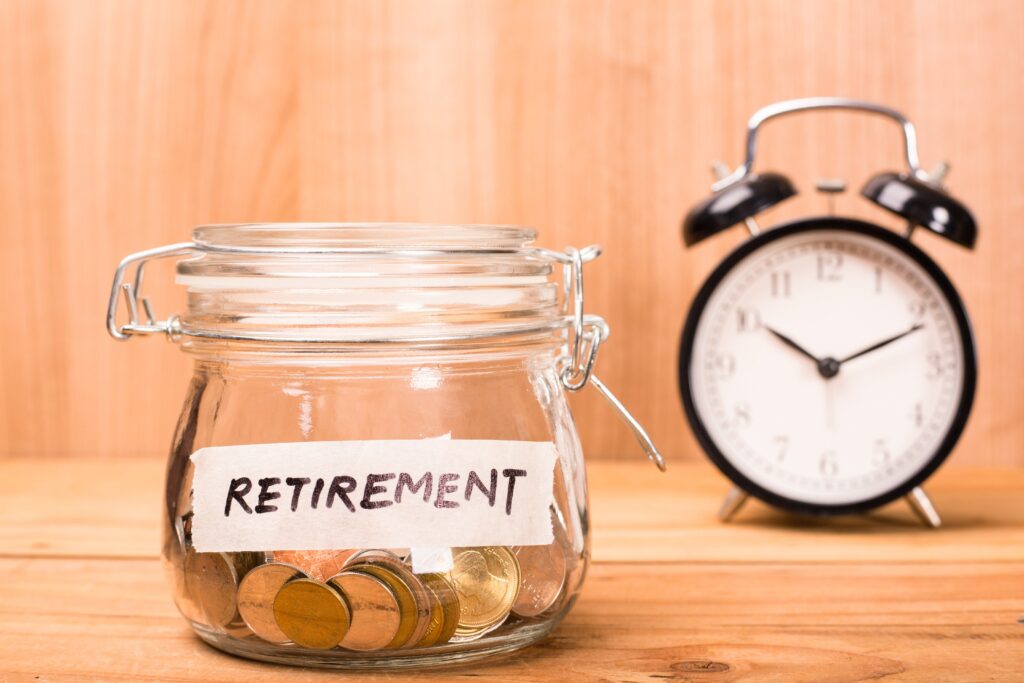
A retirement emergency fund helps protect savings with cash ready for medical bills, repairs, and market downturns
Emergency Fund

Why Your Emergency Fund Matters More Than Ever Before Retirement

Most people spend years focusing on their investment accounts, their 401(k) balance, and when to claim Social Security. But there is a quieter risk that does not get nearly enough attention: arriving at retirement without enough cash on hand to handle the unexpected. A market drop, a medical bill, a broken furnace — any one of these can force you to sell investments at exactly the wrong moment. Building a cash buffer before you stop working is one of the most practical steps you can take to protect everything else you have saved.

Scroll to Top