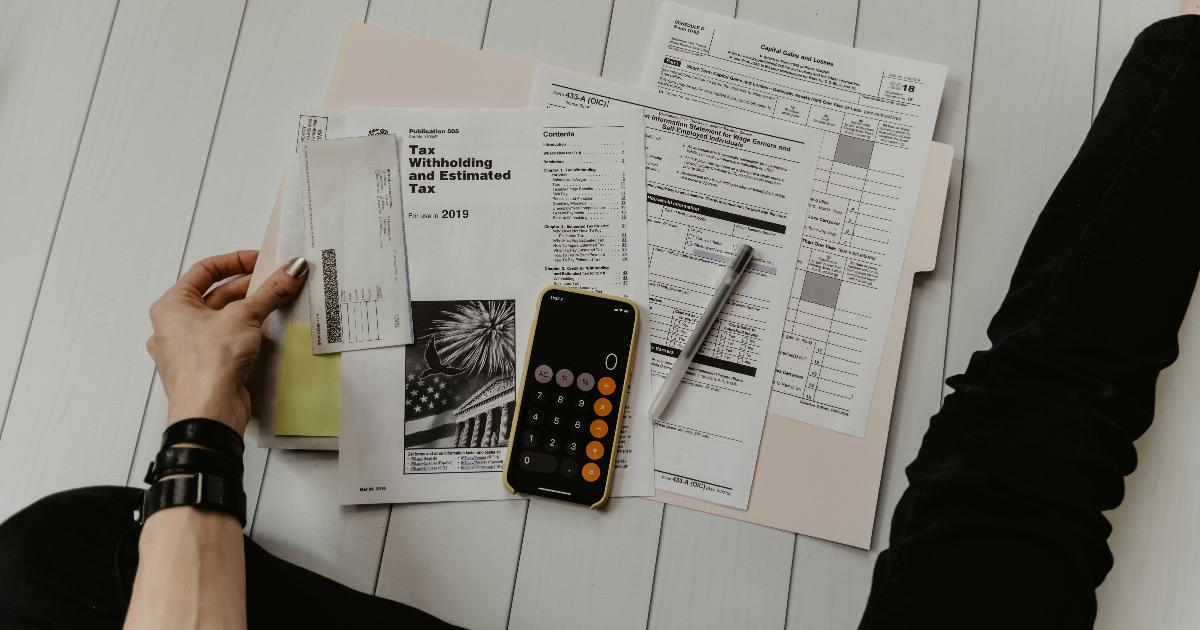
This piece groups the most practical ideas into three loose categories — trimming recurring costs, reducing convenience spending, and replacing purchases with a simple reset — then helps you figure out which one to try first.
Category 1: Trim Your Recurring Costs
Recurring charges are uniquely easy to forget. They happen silently, often on a card you barely check, and they accumulate one small line item at a time. A 2024 C+R Research study found that consumers underestimate their monthly subscription spending by about 2.5 times on average — meaning the number in your head is likely half what you actually pay.
The subscription audit is the single most defensible savings move on this list. Pull three months of bank and credit card statements, look for anything that repeats, and ask one honest question per item: Did I use this in the last 30 days? If not, cancel it — most services make it trivially easy to rejoin later, and that small friction of re-subscribing actually becomes a useful filter for what you genuinely value.
The author of the central source tried this using an AI tool to parse a bank statement and found subscriptions she’d half-forgotten, including a streaming service the household barely watched. Canceling and consolidating some streaming plans saved her household nearly $38 per month. That’s a real and repeatable number — though your results will depend entirely on what’s quietly billing you right now.
Apps like Trim or Rocket Money can automate the scan and even negotiate on your behalf, which is useful if hunting through statements feels overwhelming. Just be aware that these tools work differently for different households; they’re a starting point, not a guaranteed outcome.
Phone plans are another area worth a calm look. Mobile virtual network operators (MVNOs) are wireless carriers that lease capacity from the major networks — AT&T, T-Mobile, Verizon — and resell it at significantly lower prices. The trade-off is typically minimal: same towers, similar coverage, but often 30 to 50 percent less per month. Entry-level MVNO plans can start as low as $15 per month on annual prepay, while straightforward unlimited plans on Verizon’s network run around $25 per month.
That said, MVNO value depends heavily on where you live, how much data you use, and whether you’re comfortable with prepayment or app-based customer support. An MVNO is not automatically the right move for everyone — if you rely on heavy data use in congested urban areas, or need retail store support, the calculus changes. Check coverage at your specific address before switching anything.
Category 2: Reduce Convenience Spending
This is the category where small, everyday choices quietly add up. The clearest example is food. Grabbing takeout because you’re tired after errands isn’t a failure of willpower — it’s a design problem. The solution isn’t guilt; it’s a small environmental change.
One practical approach: prepare something ahead of time on days when you know cooking feels unlikely. One writer found that having leftovers ready on grocery-run nights saved around $15 a week compared to picking up convenience food on the way home. Over a year, that kind of habit matters.
A related insight: if you get home from work and immediately change into comfortable clothes, the motivation to cook drops sharply. Keeping your work clothes on while you start dinner is a low-effort way to keep momentum going. It sounds almost too simple — but behavioral nudges like this work precisely because they don’t require willpower.
Receipt apps sit in this category too, as a way to recover a little value from purchases you’re already making. Apps like Ibotta and Fetch let you scan grocery receipts for points redeemable as gift cards. The accumulation can be meaningful — one user found she had accrued $75 in unredeemed gift cards just from regular grocery scanning.
Use these with clear eyes, though. Reputable receipt apps collect purchase-level data (store, date, items, prices) and generally aggregate it anonymously for brand research rather than selling your personal identity. The more established platforms use bank-level encryption and offer data deletion options. Even so, it’s worth reading a privacy policy before you start, and staying cautious of any app that asks for access to your email inbox or banking login — a legitimate receipt app needs your receipt, not your inbox.
The honest summary: receipt apps are a modest, low-effort boost, not a strategy. Treat them as a small bonus on spending you’d do anyway, not as a reason to change your shopping behavior.
Category 3: Replace Purchases With a Reset
We crave newness. That craving is normal, but it’s expensive when satisfied by buying new things when existing ones could simply be refreshed. Before replacing worn towels, try stripping them — a simple laundry soak can restore softness and eliminate odor, potentially extending their useful life significantly. Before redecorating a room, try reorganizing and rearranging what’s already there. The psychological lift of a "new" space doesn’t always require new purchases.
The same principle applies to products. Cutting the amount of shampoo, detergent, or lotion you use in half often produces identical results — we habitually use more than we need. This doesn’t require switching brands or sacrificing quality; it just means testing whether half the amount works just as well.
Which Hack Is Worth Trying First?
Different moves suit different people. Here’s a simple comparison to help you choose one starting point rather than trying everything at once.
| Savings Move | Typical Effort | Likely Monthly Impact | Best Suited For |
|---|---|---|---|
| Subscription audit | Low (1–2 hours) | Varies; often $10–$40+ | Anyone with multiple streaming or app subscriptions |
| MVNO phone plan | Medium (research needed) | $15–$40, depending on current plan | People paying full postpaid rates, comfortable with prepay |
| Cook instead of convenience food | Low to medium | $30–$60 for regular takeout reducers | Households that buy takeout on busy nights |
| Receipt apps | Very low | Small ($5–$20/month) | Regular grocery shoppers willing to scan receipts |
| Product half-rule | Very low | Small but consistent | Anyone buying consumables regularly |
| Zero-spend room refresh | Low | Avoids a one-time purchase | Anyone tempted to buy new before trying a reset |
A Simple Path From Leak to Habit
The goal isn’t to do all of these. It’s to pick one, test it for a month, and keep it only if it fits your life.
flowchart TD
 A[Notice a spending leak] --> B[Choose one small change]
 B --> C[Test it for one month]
 C --> D{Does it fit your life?}
 D -->|Yes| E[Keep it — it's now a habit]
 D -->|No| F[Try a different change]
 E --> G[Look for the next leak]
Your One Move This Week
Rather than a sweeping overhaul, pick a single action from this short list:
- Pull one month of statements and count how many recurring charges you find. Cancel one you haven’t used in 30 days.
- Check your phone bill. If you’re on a major postpaid carrier, look up whether an MVNO on the same network could cover your actual usage for less — and verify coverage at your home address before deciding anything.
- Plan one meal for a day when cooking usually feels hard. Put the ingredients in a visible spot the night before.
- Download one receipt app you’re curious about, read its privacy policy, and try it for a month before deciding whether it’s worth keeping.
- Before buying a replacement for something worn or stale, try a reset first — a wash, a rearrangement, a repair.
The key insight behind all of these is the same: the easiest savings come not from dramatic sacrifice, but from reducing the automatic spending that happens when you’re not paying attention. Subscriptions you forgot, takeout you defaulted to, products you over-use, items you replaced before trying to repair them — these are all low-hanging fruit precisely because they require so little ongoing effort once you’ve addressed them once.
A budget is almost always easier to improve by targeting one category at a time. Start boring. Start small. Let it repeat.