Budgeting

Simple guides to planning a personal or family budget: how to allocate income, prepare for essential payments, and stay in control of money throughout the month.

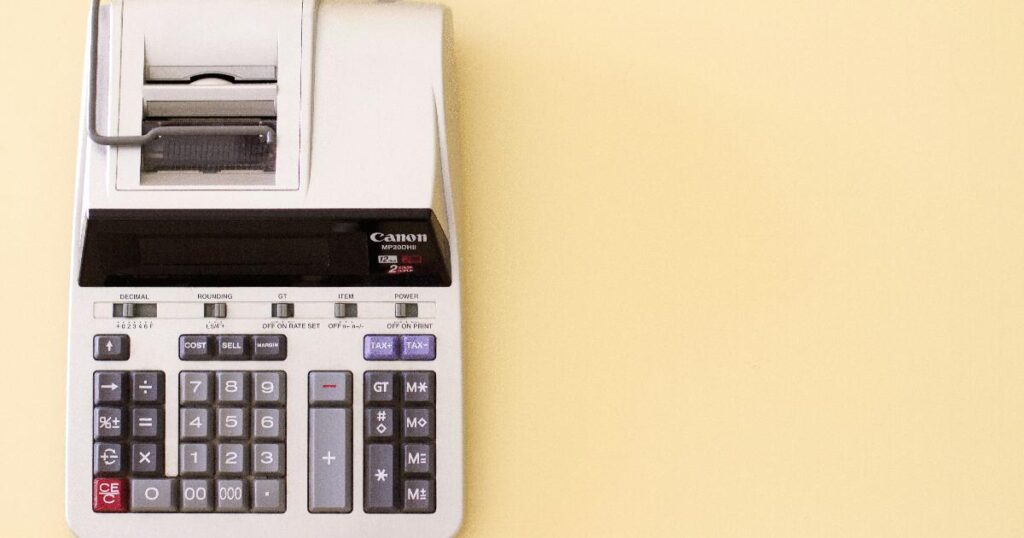
A person reviewing monthly expenses on a calculator, illustrating the rule of 25 retirement number
Budgeting

The Rule of 25: A Simple Way to Turn Spending Habits Into a Retirement Number

Retirement can feel like a fog — a vague sense that you should be “saving more,” with no clear sense of how much is actually enough. The Rule of 25 cuts through that fog with one multiplication: take what you spend in a year and multiply it by 25. Suddenly retirement stops being a mood and becomes a number you can write on a sticky note. But the most useful part of this rule isn’t the number itself — it’s what it reveals about your spending, and how much power you already have to change your own target.


A couple reviewing a shared budget dashboard together on a laptop at the kitchen table
Budgeting

Why Your Money Talks Fail Less When You Both See the Same Numbers

Most money arguments between couples aren’t really about money. They’re about surprise — a forgotten subscription, a bigger-than-expected credit card bill, a goal one partner cared about and the other never knew existed. The fix for that kind of surprise isn’t a smarter argument. It’s shared visibility: both people looking at the same numbers, on a schedule, before small confusions turn into resentment.

A budgeting app comparison on a laptop, showing spending plan charts and household finance dashboards
Budgeting

Simplifi vs. Monarch Money: Which Budgeting App Fits How You Actually Manage Money?

If you’ve spent any time scrolling through budgeting app reviews, you’ve probably noticed the same two names keep showing up together: Simplifi and Monarch Money. Both grew popular partly because people needed somewhere to go after Mint shut down, and both promise to show you where your money is going without a spreadsheet. But choosing between them isn’t really about which one has more features. It’s about which one matches how you, or your household, actually want to interact with money on a Tuesday afternoon.

A shopping cart full of groceries beside a calculator, illustrating a flexible budget that can handle higher food costs
Budgeting

What a Real March Grocery Overspend Can Teach You About Building a Flexible Budget

A grocery bill can jump fast. One trip to a warehouse store, a few “too good to pass up” deals, and suddenly the number at the till is well above what you planned. The useful question isn’t “how do I never overspend again?” It’s “how do I build a budget that can absorb a shock like this without throwing off the rest of the month?”

A person reviewing monthly bills and expenses on a laptop, illustrating a budgeting app comparison for better money habits
Budgeting

YNAB vs. Simplifi: Which Budgeting Tool Actually Fits the Way You Handle Money?

Comparing budgeting apps gets interesting only when it answers the question that actually keeps you up at night: which tool will help you stay consistent when money is tight and good intentions keep slipping? Feature lists don’t answer that. Your habits do. So instead of asking which app has more bells and whistles, let’s ask a more useful question — are you someone who needs a firm method that forces you to plan every dollar, or someone who just wants a clean, low-effort view of where your money goes?

Scroll to Top